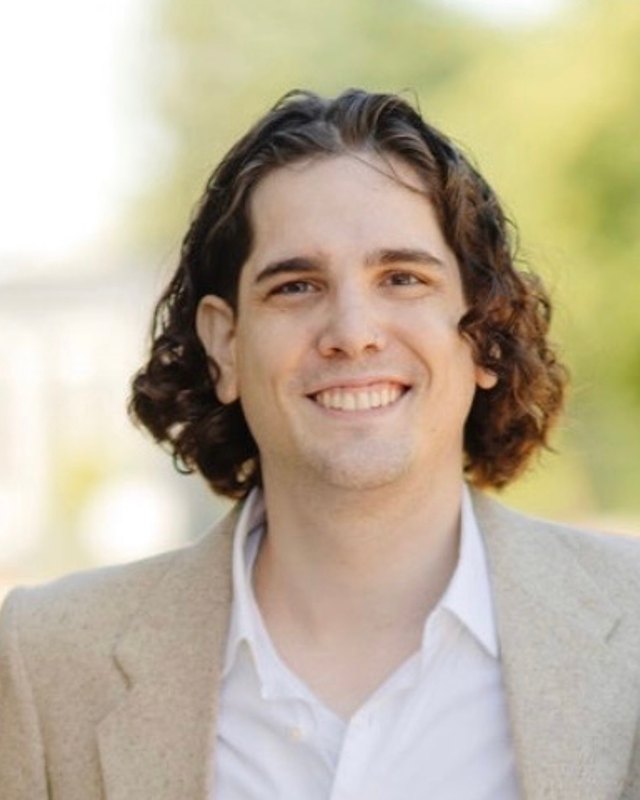
Psychology researcher and research ethics professional based in Brooklyn.
I’ve coordinated studies at Columbia University Irving Medical Center, worked in classrooms and now ensure regulatory compliance as an IRB Associate II in the Program for the Protection of Human Subjects at the Icahn School of Medicine at Mount Sinai.
I’m interested in studying how meditation, awe and other altered states change the way we experience time and the self. More recently, I’ve begun to explore shared versions of these experiences: what happens to people at concerts and festivals.
Preliminary results. Manuscript in preparation. Advisor: David Wilder, Rutgers University.
Time flies when you’re having zen.Eight minutes of meditation,remembered as five or six.
For my 2019 honors thesis, we had 214 Rutgers undergraduates listen to an eight-minute recording: either a guided meditation or a passage of The Hobbit audiobook. Afterward, with no warning that the question was coming, they estimated how long it had lasted.
I wanted to take a closer look at the methods and develop a deeper understanding of the statistical analysis, so I reanalyzed the original data from the raw files in R, adding effect sizes, Bayes factors and a full set of robustness checks. The main result held up, although some of my original explanations for it did not.
The design
Each participant was randomly assigned to one of four groups. The recording varied, as did attentional focus: on the self and body, or on a narrative. The body-and-breath meditation and The Hobbit audiobook come from Kramer et al. (2013); for my study, we also added a waterfall visualization and manipulated self-focused attention via a mirror.
Self or body focus
Narrative focus
Meditation
Guided meditation on the body and breath
n = 59
Guided waterfall visualization
n = 54
Audiobook
The Hobbit, seated at a mirror, asked to focus on themselves
n = 60
The Hobbit, asked to follow the story
n = 41
How long did the eight minutes feel?
Share of each group choosing each answer. The shaded column is the recording's true length.
Meditation (n = 113)Audiobook (n = 101)
Answer (minutes)
Meditation
Audiobook
54% of meditators chose 5–6 minutes. 70% of audiobook listeners chose the correct 7–8 minutes or longer, compared with 37% of meditators. Cohen's d = −0.63, 95% CI [−0.91, −0.36].
What the reanalysis found
Each result is reported with a “Bayes factor.” Unlike a p-value, this statistic helps us infer which explanation is actually favored, including “no effect” (as opposed to just “rejecting the null”).
How strong is the evidence for each result?
Bayes factors on a log scale. Left of 1 favors no effect, right of 1 favors an effect. Between 1/3 and 3 the data can't decide.
Meditation made eight minutes feel shorter
Meditators' estimates clustered around 5–6 minutes, while audiobook listeners' clustered around the correct 7–8. The difference was medium to large (d = −0.63; F(1, 210) = 23.13, p < .001). The Bayes factor favors a real effect by about 5,200 to 1. The effect appeared under both kinds of focus. It looked larger in the narrative-focus groups, but that difference wasn't reliable, so I don't interpret it.
Self-awareness did not explain it
My original hypothesis was that meditation raises self-awareness, and self-awareness stretches time. Body-focused meditation did raise state self-awareness a little, but self-awareness had no relationship with the duration estimates: r = .00, 95% CI [−.14, .13]. The Bayes factor favors no link by about 6 to 1. The mirror, meant to raise self-awareness without meditation (Phillips & Silvia, 2005), didn’t raise it.
A smaller echo in seconds
In each condition, participants were shown four shapes on screen for 7, 17, 37 and 57 seconds and estimated how long each lasted, before and after listening to their recording.
After meditating, their estimates fell further, to 80.7% of the true durations, compared with 87.4% after the audiobook, once each person's first estimates are taken into account (p = .016). The Bayes factor is only 2.4, so although the difference is statistically significant, the evidence for it is weak. The paper will treat this result as secondary.
Shape-timing estimates
Raw averages as a share of true duration, with 95% CIs. The test in the text adjusts for the first trial.
MeditationAudiobook
Group
Before
After
Meditation (n = 113)
98.5% [91.7, 105.3]
80.8% [76.1, 85.5]
Audiobook (n = 101)
98.2% [92.5, 103.9]
87.5% [82.8, 92.1]
How it was done
I ran the analysis in RStudio (R 4.6.1, with haven, nlme, BayesFactor and ggplot2), working from the raw SPSS files, and checked every result against the original output. Claude (Anthropic) helped write the R script. Once we confirm that the original consent and IRB approval allow it, I’ll post the data and code so anyone can rerun the analysis from the raw files.
How do you judge the passage of time?
Think time estimation is easy? Don’t look at a clock. How long have you been on this page?
Other projects
2019–2021
Recovering consciousness after anesthesia
Department of Anesthesiology, Columbia University Irving Medical Center. PI: Paul S. García, M.D., Ph.D.
I coordinated studies on postoperative delirium and EEG biomarkers in cardiothoracic surgery patients. Between consenting patients, setting up EEG monitoring in the operating room, preparing IRB protocols for research with cognitively impaired and delirious patients, and contributing background material to a funded Beeson Emerging Leaders (K76) award application, I gained hands-on experience throughout the clinical research process.
2020
Language after surgery and the CAM-ICU
Presented at Academic Evening, Columbia University Irving Medical Center, April 2020
The team collected data on five language measures (semantic and phonemic fluency, sentence repetition, naming and narrative production) to compare patients who did and didn't screen positive for delirium on the CAM-ICU. We used Mann–Whitney and Fisher's exact tests, stratified by site, to ask whether language problems persisted beyond documented delirium. I created and gave the presentation.
2022
The Varieties of Spiritual Experience
Oxford University Press, 2022. Editorial reviewer, acknowledged in the front matter.
I reviewed draft chapters 9 through 14, on experiences of God, revelatory voices and visions, synchronicity, unity and loss of self, aesthetic experience and paranormal experience, and gave suggestions on both content and citations.
How I work
Research methods
Between-subjects experiments, retrospective and prospective timing tasks, and Qualtrics surveys. I analyze data in R and SPSS with ANOVA, mixed models, Bayes factors and nonparametric tests, and report effect sizes and confidence intervals. In the future, I hope to incorporate more ethnographic and qualitative methods, as well as text analysis with the Linguistic Inquiry and Word Count (LIWC) program.
Clinical and regulatory
I’ve set up EEG electrodes in the midst of open-heart surgery, consented surgical patients, and processed personnel modifications, continuing reviews and closures while ensuring studies comply with 45 CFR 46 (the Common Rule) and ICH-GCP.
EYS of the World
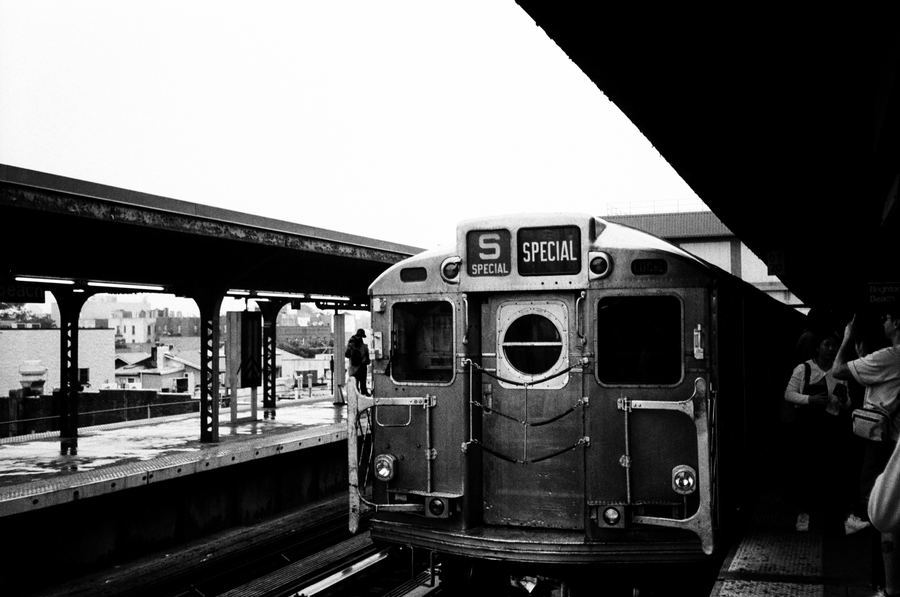
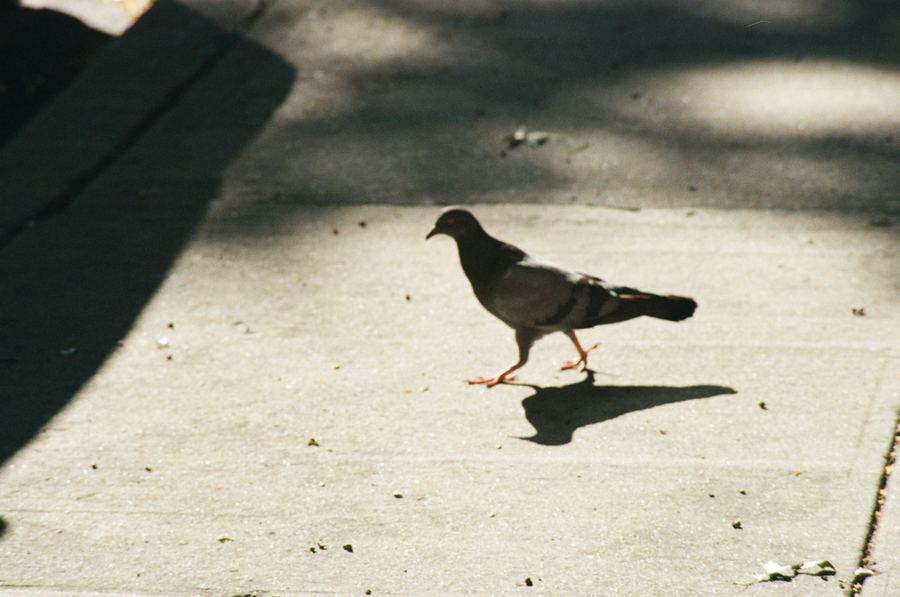
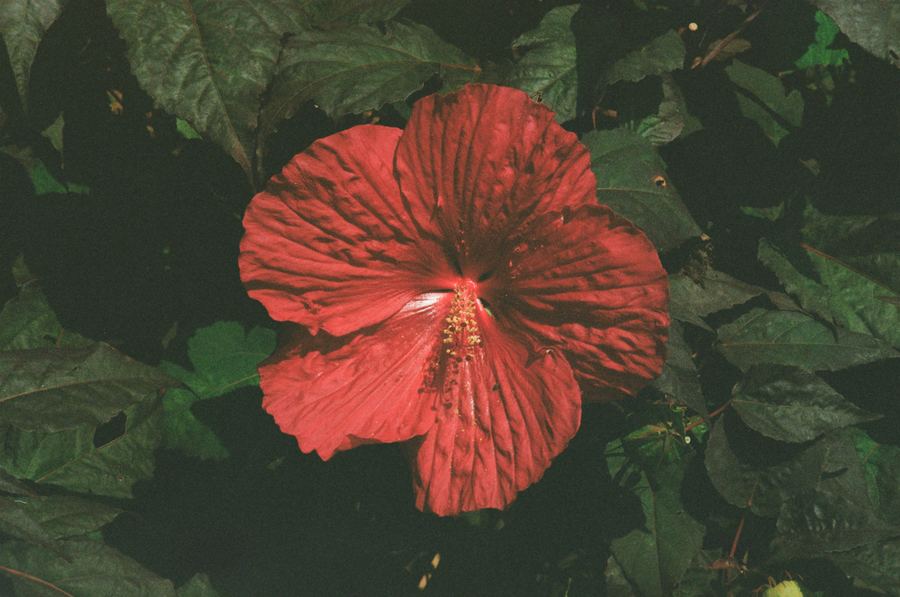
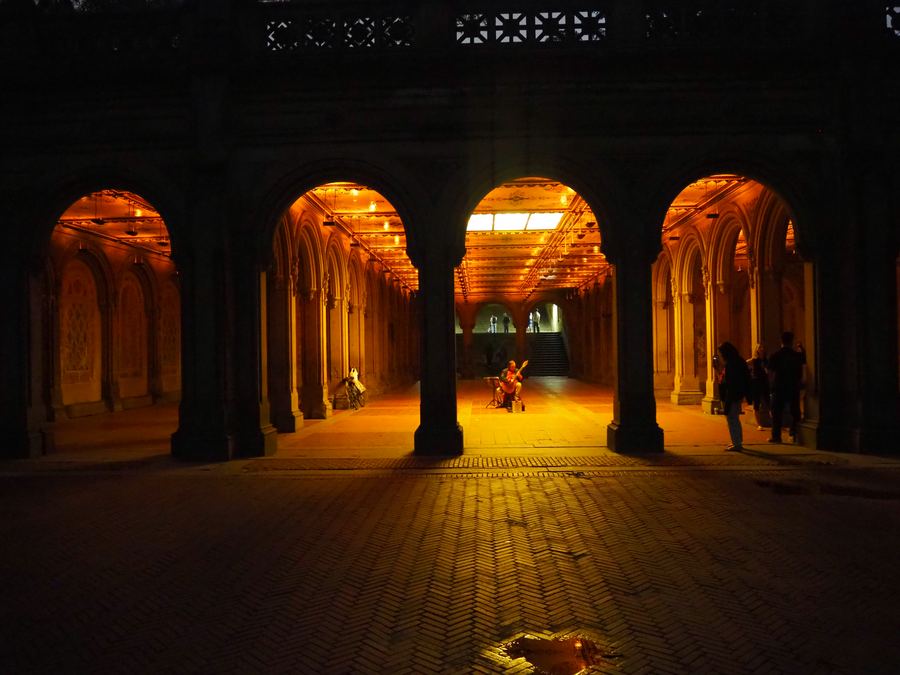
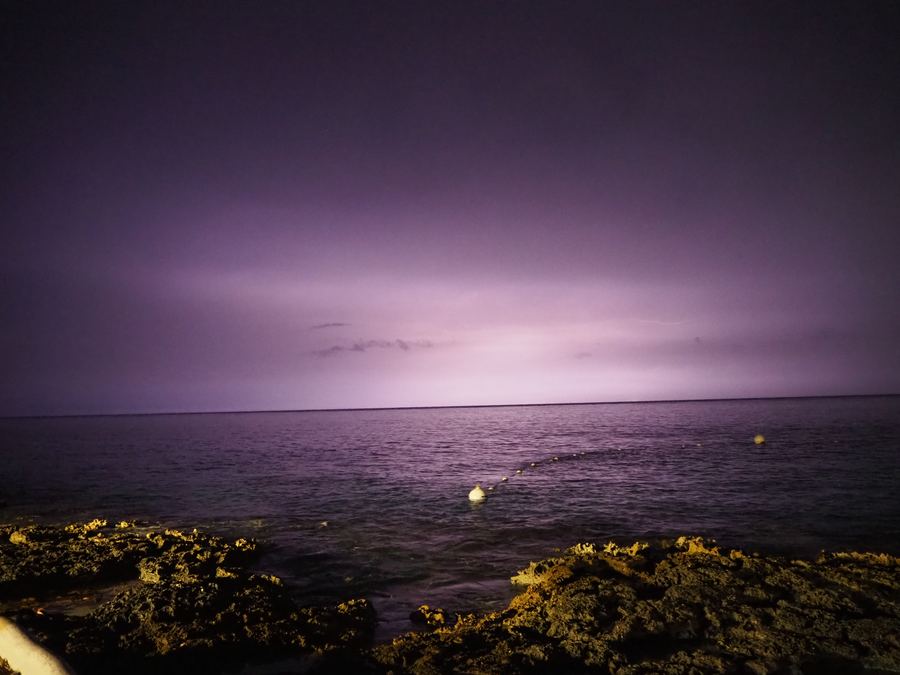
Here are some of my photographs; I started on 35 mm film with a Pentax Super Program, but more recently I’ve been shooting digitally on an Olympus OM-D E-M10 Mark III.
I review human subjects research at the Icahn School of Medicine at Mount Sinai and process approximately 150 submissions a month across behavioral and biomedical studies. Earlier, I spent two years in Columbia’s Department of Anesthesiology, coordinating studies of postoperative delirium and recovery of consciousness.
My research interests center on how morally and existentially significant experiences, from meditation to awe to psychedelic states, reshape cognition, identity and the sense of time. Recently, I earned a certificate in interdisciplinary psychedelic studies from Ohio State.
Outside work I shoot photos, play guitar, snowboard and scuba dive. If there’s a Phish show or a Grateful Dead cover band nearby, I’m probably there.
Experience
2024–nowIRB Associate II Icahn School of Medicine at Mount Sinai
2022–2024Independent Researcher and Tutor Literature reviews and data cleaning; tutoring in psychology, English, history and Hebrew
2021–2022Educational Assistant The Academies at Gerrard Berman Day School
2019–2021Clinical Research Coordinator Columbia University Irving Medical Center, Anesthesiology
2018–2019Honors Researcher and Research Assistant Rutgers University: Wilder Lab, DBT-RU, Social Cognition Lab, Cognitive Development Lab
Education
B.A. in Psychology, cum laude, minor in Religion. Rutgers University–New Brunswick, 2019
Non-degree student, Rothberg International School, Hebrew University of Jerusalem, 2016–2017
Gap year program, Bar-Ilan University, 2015–2016
Certifications
Certificate in Interdisciplinary Psychedelic Studies, The Ohio State University
CITI Program: Human Subjects Protection (Biomedical); Good Clinical Practice (Investigational Medical Devices); Responsible Conduct of Research (Biomedical); Social/Behavioral/Epidemiologic Research Investigators; FDA-Regulated Research
Honors
Aresty Undergraduate Research Fellowship, Rutgers
Honors Research Scholar in Psychology, Rutgers
Paul Robeson Scholar, Rutgers
Psi Chi
Presentations
Post-operative speech and language assessment compared to the CAM-ICU model of delirium. CUIMC Academic Evening, 2020
Exploring the effects of meditation and self-awareness on temporal judgements. Aresty Research Symposium, Rutgers, 2019